
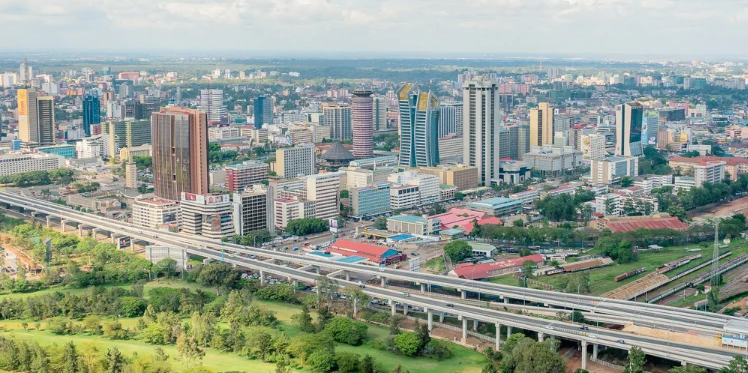
One of the biggest decisions a Kenyan property buyer faces is whether to buy land in Kenya’s urban core or its fast-expanding satellite towns. Nairobi’s prime locations offer established infrastructure and prestige, but prices have outpaced many buyers’ means. Satellite towns promise affordability and growth, but come with their own risks. This article cuts through the hype with real 2026 data to help you decide where your money works hardest.
Table of Contents
The Case for Nairobi: Established, Liquid, Premium

Areas like Kileleshwa, Hurlingham, Westlands, and Upper Hill remain Kenya’s most established real estate markets. Property here is highly liquid, meaning you can sell quickly if you need to. Rental demand is strong, particularly for apartments near offices and business hubs.
The trade-off is cost. Land prices in prime Nairobi can exceed KES 150 million per acre in the most sought-after areas. For most middle-income buyers, this means the Nairobi dream is increasingly out of reach without significant mortgage financing.
There is also a saturation risk. As more apartment blocks rise in areas like Kilimani and Lavington, rental yields have compressed. Buyers expecting passive income need to model their returns carefully before committing.
The Case for Satellite Towns: Growth, Affordability, and Infrastructure

The most compelling story in Kenya’s 2026 real estate market is happening outside Nairobi. Real data from property tracking platforms shows dramatic appreciation in specific corridors:
- Tigoni: 80 percent growth in land values over two years
- Nakuru: 20 percent growth in under two years, driven by city status and improved road links
- Runda satellite areas: 20 percent increase in 18 months
- Juja, Ruiru, and Kikuyu: Consistent demand driven by affordability and proximity to Nairobi via the bypass and commuter rail
- Ngong and the Eastern Bypass corridor: Emerging hotspots attracting first-time buyers priced out of Nairobi
These areas are being supercharged by infrastructure investment. The expansion of the Nairobi Expressway, new bypass roads, and the revival of commuter rail routes have compressed commute times, making satellite living more viable than ever.
The Risks Buyers in Satellite Towns Must Not Ignore
☝🏾 Title Deed Risk Is Higher Outside Nairobi
Ardhisasa, the government’s digital land verification platform, is not yet fully deployed in all counties. In many rural and peri-urban areas, land records remain manual, increasing the risk of fake or disputed titles. A land search that takes minutes in Nairobi can take days in smaller counties, and the records may be less reliable.
☝🏾 Infrastructure Can Be Incomplete
Many satellite town developments are sold on the promise of future roads, water, and electricity connections. Buyers should physically verify whether water, electricity, and road access are present on the plot today, not just promised by a brochure.
☝🏾 Developer Track Records Matter
The satellite town boom has attracted dozens of smaller land-selling companies whose track records are difficult to verify. Always check whether the developer is registered, whether the land has clean title, and whether they have a history of completed, delivered projects.
A Framework for Deciding: Nairobi or Satellite?
Use the following questions to guide your decision:
- What is your primary goal: capital appreciation, rental income, or building a family home?
- How long is your investment horizon? Satellite towns reward patience. Nairobi yields are more immediate.
- Can you physically visit and independently verify the plot?
- Is water, power, and road access confirmed on site today?
- Has the title deed been verified through Ardhisasa or a manual registry search?
- Does the area have a school, hospital, and market within a reasonable distance?
Specific Picks for 2026
For first-time buyers seeking capital growth: Juja and Ruiru remain strong, with serviced plots still available at accessible price points. For families seeking a quieter lifestyle: Tigoni and Limuru offer green environments with improving road access. For investors seeking rental yield: Areas along the Eastern Bypass corridor are seeing strong tenant demand from the growing middle class working in Nairobi but priced out of the city.
Nakuru deserves special mention. Its elevation to city status, the Naivasha dry port, SGR extension and Rironi-Mau Summit road projects have triggered planning approvals, commercial investment, and demographic growth that are not yet fully priced into land values. Early buyers in the right locations stand to benefit significantly.
Conclusion
There is no single right answer when deciding where to buy land in Kenya. What matters is matching your decision to verified data, your financial timeline, and thorough on-the-ground due diligence to avoid potentially costly mistakes. The satellite town story is real, but so are the risks. Go in with your eyes open, your lawyer engaged, and your title verified.

Key Takeaway: Satellite towns like Tigoni, Ruiru, Naivasha, Nakuru, and Nanyuki among others offer the best growth stories in 2026, but only if you verify title, confirm infrastructure, and invest with a minimum three to five year horizon.