Prefab vs. Conventional Construction in Kenya is a debate that frequently happens. Prefabricated construction has been gaining ground in Kenya, driven by rising conventional build costs, shorter delivery timelines, and growing availability of prefab systems from Nairobi-based suppliers. Proponents claim that prefab construction in Kenya can save 20–30% compared to conventional masonry — a compelling number for any self-builder. But the real picture is more nuanced. This article gives you an honest, side-by-side comparison of prefab and conventional construction in Kenya, covering cost, timeline, quality, mortgage eligibility, and resale value.

What Is Prefab Construction in the Kenyan Context?
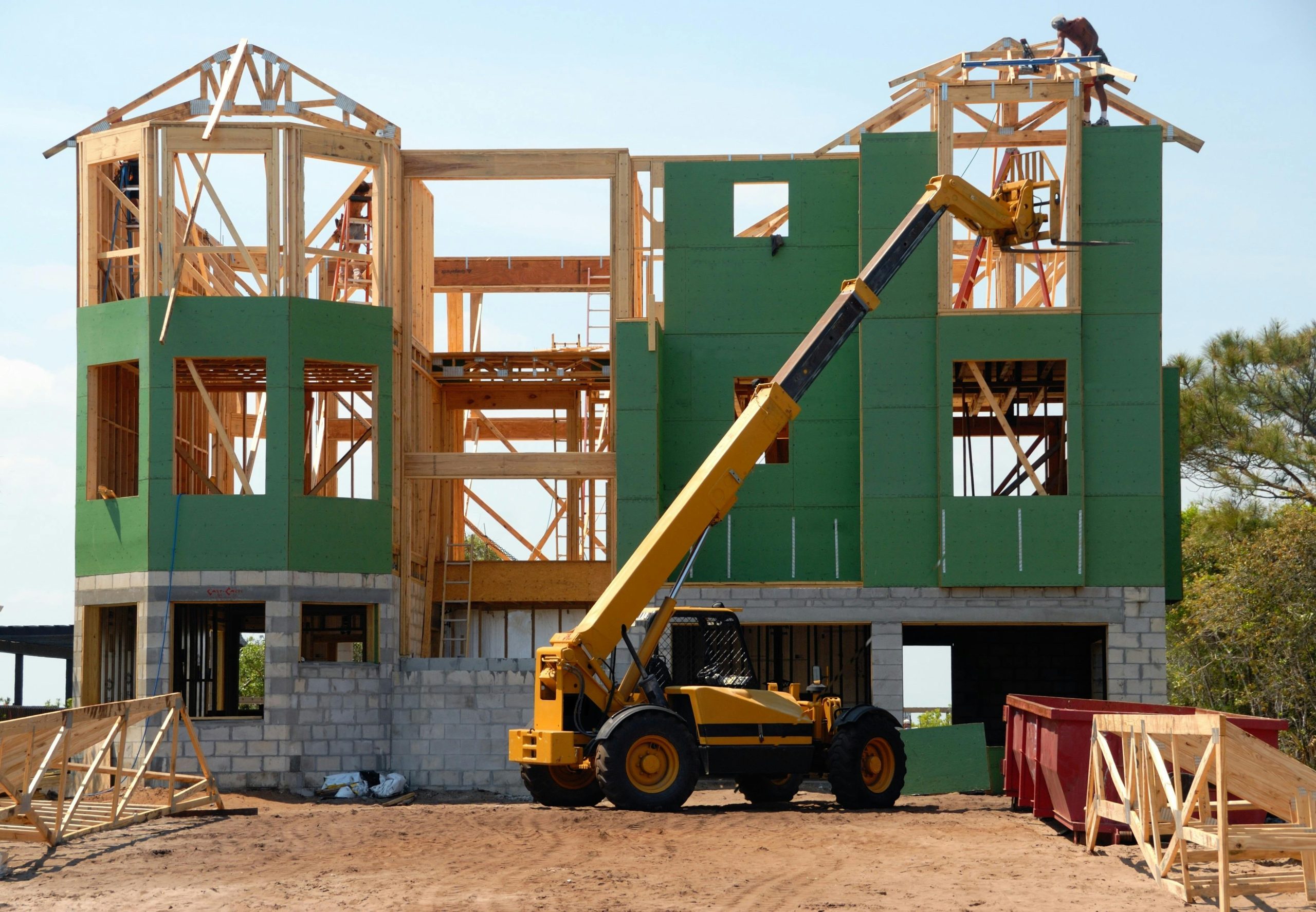
In Kenya, ‘prefab’ encompasses several distinct systems, including light-gauge steel frame (LGSF) panels, Expanded Polystyrene (EPS) panels, precast concrete panels, and timber-engineered frame systems. These are manufactured off-site in controlled factory conditions and assembled on your plot. They are not temporary or low-quality structures — when properly designed and installed, they meet Kenya’s National Building Code requirements for permanent residential occupation.
The Cost Comparison: Prefab vs. Conventional in Kenya (2026)
Conventional Masonry Build
A standard 3-bedroom bungalow built with conventional masonry in Nairobi costs between KES 3M and KES 5M (excluding land), depending on specification. This assumes quarry stone or burnt brick walling, timber roof structure, Mabati or stone-coated tile covering, and standard internal finishes. Labour represents a significant proportion of this cost — and labour rates in Nairobi are rising.
Prefab Build
An equivalent 3-bedroom prefab bungalow — using EPS panel or LGSF system — can be built for KES 2.1M to KES 3.8M in Nairobi, representing a 20–30% saving on total construction cost. Prefab builds are also typically completed in 60–90 days compared to 9–18 months for conventional masonry, significantly reducing the holding cost of financing and temporary accommodation during construction.
Where Prefab Wins
- Lower total construction cost — 20–30% saving is achievable with the right system and contractor.
- Faster build timeline — dramatically reduces interest costs on construction loans.
- Less on-site waste and lower supervision burden than conventional masonry.
- Better thermal performance — EPS panels in particular provide superior insulation, reducing long-term energy costs.
- Increasingly available from Nairobi-based manufacturers with growing track records.
Where Conventional Construction Wins
- Bank mortgage eligibility — most Kenyan mortgage lenders still prefer or require conventional masonry structures for residential mortgage products.
- Resale market familiarity — Kenyan buyers are more comfortable with conventional masonry and may discount prefab structures.
- County permit process — some counties are still unfamiliar with prefab structural systems and may require additional documentation or time for approval.
- Long-term modification flexibility — masonry is easier to alter, extend, or repair using widely available local skills.
The Key Question: Is Your County Prefab-Ready?
Before committing to a prefab system your town, confirm with your county’s physical planning department that they are familiar with and equipped to approve the specific prefab system you intend to use. Request confirmation in writing. Some counties have approved prefab systems routinely; others are still developing their technical review capacity. An approval delay can eliminate your timeline advantage entirely.
Conclusion
Prefab construction in Kenya is not a silver bullet, but for the right project, in the right location, with the right system, it offers genuine and significant cost and time advantages. The decision on prefab vs. conventional construction in Kenya comes down to your financing structure, your plans for the property long-term, and your county’s regulatory environment. Get your architect and quantity surveyor to model both scenarios before you commit.

Prefab construction in Kenya saves 20–30% and builds in 60–90 days vs. 9–18 months. EPS and LGSF systems are viable for permanent residential occupation under the Building Code. Mortgage eligibility and resale value favour conventional masonry — factor this in.